
The Allure of Casinos
Casinos are designed to captivate their visitors, showcasing vibrant lights and captivating sounds that create an almost euphoric atmosphere. This environment plays a crucial role in attracting and retaining gamblers, as it engages their senses, invoking a sense of excitement that is hard to resist. The combination of sights, sounds, and even scents has been strategically curated to foster a specific emotional state that encourages spending and prolonged play, leading many to seek the best online casino nz experience available. Gamblers often find themselves immersed in this world, making it difficult to leave the excitement behind.
The allure of casinos also taps into various psychological triggers, including the thrill of risk-taking and the anticipation of reward. The concept of near-miss outcomes further heightens this allure; when gamblers almost win, it leads to an increased desire to continue playing, believing that luck may soon turn in their favor. This dynamic creates a cycle of ongoing engagement where players are constantly chasing that elusive win, each time feeling closer than the last. The psychological emotions tied to play are profound and complex, acting as a driving force behind the attraction to gambling.
Moreover, the social aspect of gambling cannot be overlooked. Many gamblers enjoy the camaraderie and shared experiences that come with visiting casinos. Whether it’s bonding with friends over a game of poker or cheering on a fellow player at a slot machine, the social interactions form a significant part of the appeal. This aspect of gambling allows individuals to escape from their daily lives, fostering connections and bringing in a sense of belonging among fellow gamblers who share the same passion for gaming. Such connections can significantly enhance the overall experience and keep players returning for more.
The Role of Psychological Triggers
Psychological triggers play a pivotal role in the decision-making processes of gamblers. For many, gambling acts as a form of escapism from daily stressors and responsibilities. The thrill of placing a bet and the possibility of winning can provide temporary relief from anxiety and depression. This response is often linked to the brain’s reward system, where dopamine—a neurotransmitter associated with pleasure—is released during gambling activities. Consequently, the rush experienced during play reinforces the behavior, making it even more appealing.
Additionally, cognitive biases such as the illusion of control commonly affect gamblers. Many individuals believe that they can influence the outcome of games through skill or strategy, despite the inherent randomness involved in most casino games. This belief can lead to overconfidence, prompting players to engage in riskier bets or prolonged gambling sessions. This cognitive distortion can significantly impact their financial decisions, as they become increasingly inclined to chase losses or continue playing under the false pretense of an impending win.
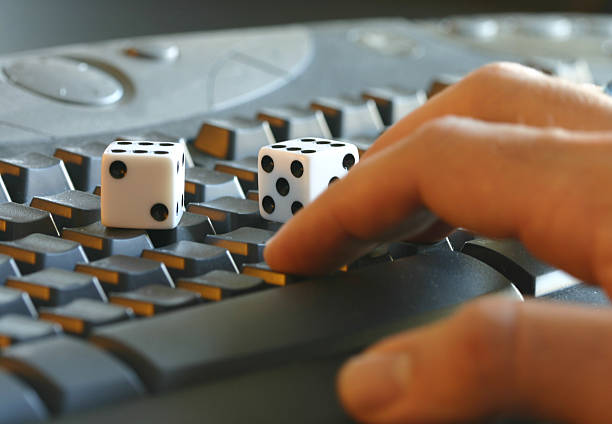
The psychological principle of loss aversion also plays a significant role in gambling behavior. Research shows that the pain of losing is often more intense than the pleasure derived from winning. This disparity can lead gamblers to continue betting in hopes of recovering lost money, creating a downward spiral that is difficult to escape. The combined effect of these psychological triggers illustrates the complexity of gambling behavior, highlighting the mental and emotional factors that compel individuals to engage in and often struggle with gambling at casinos.
The Impact of Emotion on Gambling Behavior
Emotions are intricately linked to the gambling experience, influencing decisions and outcomes in profound ways. For instance, excitement and joy can often lead to impulsive betting. When a gambler experiences a winning streak, the accompanying excitement can prompt larger bets and riskier decisions. This emotional high can cloud judgment, leading to situations where rational thinking is compromised, and players engage in gambling behavior that they might otherwise avoid. Such emotional highs can act as double-edged swords, resulting in both significant wins and devastating losses.
Conversely, negative emotions such as sadness, loneliness, or stress can also trigger gambling behavior. Many individuals turn to gambling as a coping mechanism during challenging times, seeking solace in the excitement and distractions found within casinos. This reliance can create a vicious cycle, where subsequent losses exacerbate negative feelings, leading to further gambling as a misguided attempt to find relief. In this context, gambling transforms into an emotional rollercoaster, where highs and lows continuously impact the individual’s mental state.
The presence of skilled marketing practices also plays a critical role in shaping gamblers’ emotions while at casinos. Promotions, rewards, and incentives are strategically crafted to evoke feelings of excitement and urgency, often targeting players’ emotions to create a sense of loyalty to the establishment. By keeping players emotionally engaged, casinos can enhance their overall revenue, demonstrating how the psychology of emotions directly impacts both gambling behavior and the casino industry’s success. Understanding these psychological aspects is key for cultivating healthier gambling habits and recognizing the potential challenges that may arise.
The Role of Environment and Design
The environment and design of a casino are two critical components that significantly influence a gambler’s psychological experience. Casinos are specifically structured to create an immersive experience, with layouts that often disorient visitors, making it challenging to find exits. This deliberate design choice keeps players inside longer, encouraging them to engage more with the games and atmosphere. The lack of natural light and the use of bright colors further enhance this effect, creating a sense of timelessness that contributes to prolonged gambling sessions.
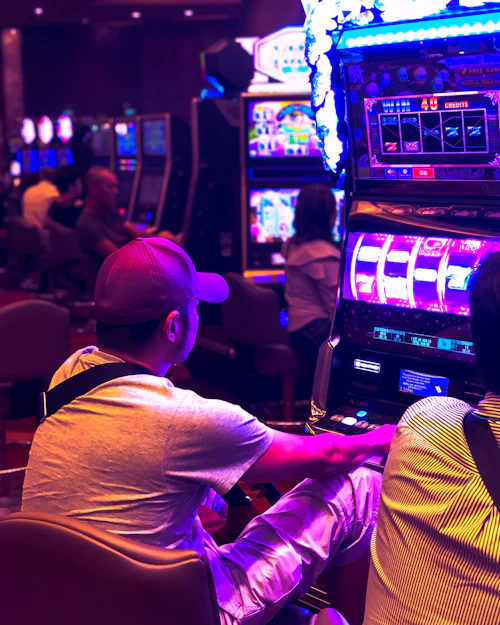
Sounds within a casino also play an integral role in shaping the psychological landscape of gambling. The sounds of slot machines, cheers of winners, and the clatter of chips evoke excitement, reinforcing positive associations with gambling. This sonic backdrop creates an environment that feels alive and vibrant, often encouraging individuals to partake in the excitement. Gamblers may subconsciously associate specific sounds with winning, leading to heightened engagement when entering similar auditory environments.
The integration of various amenities—such as restaurants, bars, and entertainment options—also contributes to the overall experience at casinos. These amenities extend the time players spend in the establishment, allowing emotional states to shift and evolve throughout their visit. As gamblers transition from gaming to dining or socializing, their emotions can influence their gambling decisions upon return to the gaming floor. Understanding the interplay between the environment, design, and human psychology is essential for comprehensively analyzing the gambling experience and its effects on behavior.
Resources for Understanding Gambling Psychology
For anyone interested in delving deeper into the psychology of gambling, various resources provide valuable insights and information. Academic research, psychological journals, and books on behavioral economics examine the principles underpinning gambling behavior, enhancing the understanding of the factors that influence players. These studies often explore the intricacies of decision-making under uncertainty and the psychological triggers that prompt individuals to gamble.
Numerous websites offer support and information for those struggling with gambling issues. They provide resources that focus on promoting responsible gambling behaviors and strategies for managing potential risks associated with gambling. Such platforms often include educational materials, community forums, and professional guidance aimed at fostering healthier attitudes toward gambling. Additionally, many casinos themselves have implemented responsible gambling initiatives, emphasizing awareness of the psychological aspects that come into play while gambling.
Understanding the psychology behind gambling can significantly improve personal gambling habits and awareness. By gaining insights into their own motivations and emotional responses, gamblers can make more informed decisions and set appropriate boundaries for their gaming activities. As awareness of the psychological aspects of gambling continues to grow, it promotes a healthier, more balanced relationship with gambling for individuals and communities alike.
